








 Virucidal protection for Siemens Simatic TP700
Tested virucidal and antibacterial effectiveness according to DIN ISO 21702 , or DIN ISO 22196
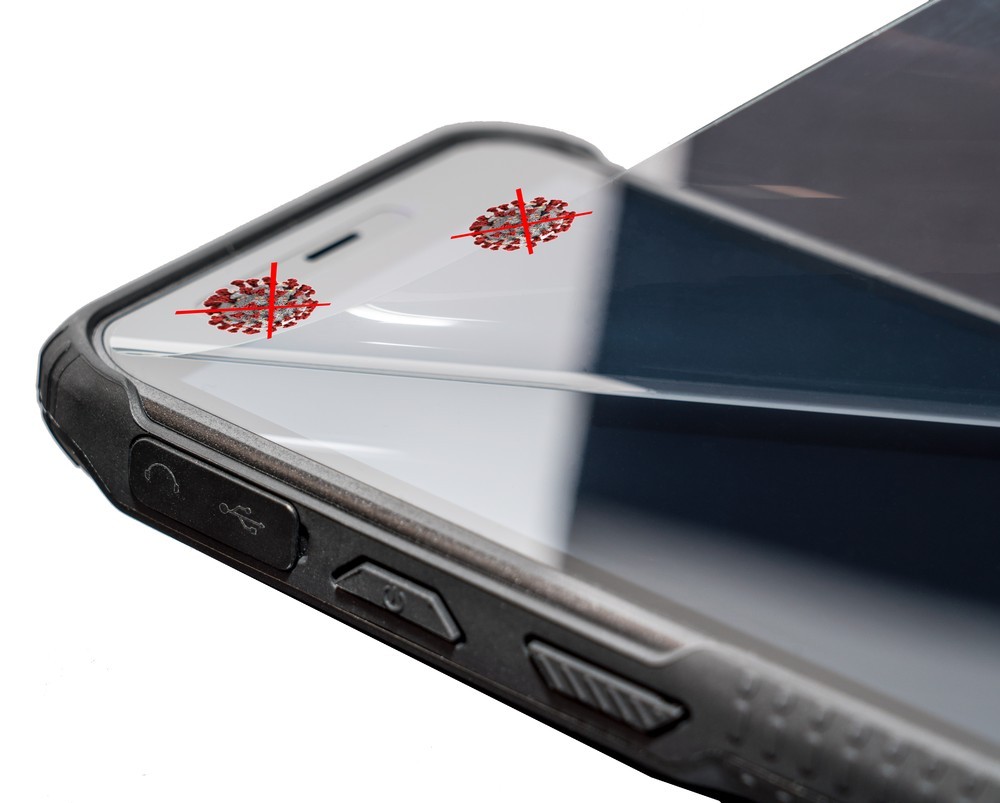
Kills corona viruses
Particularly good chemical resistance
Aseptically decontaminates itself without interruption
Interrupts the infection with corona viruses
Kills bacteria and is antiviral
User-friendly assembly through adhesion
Produced in accordance with DIN ISO 9001
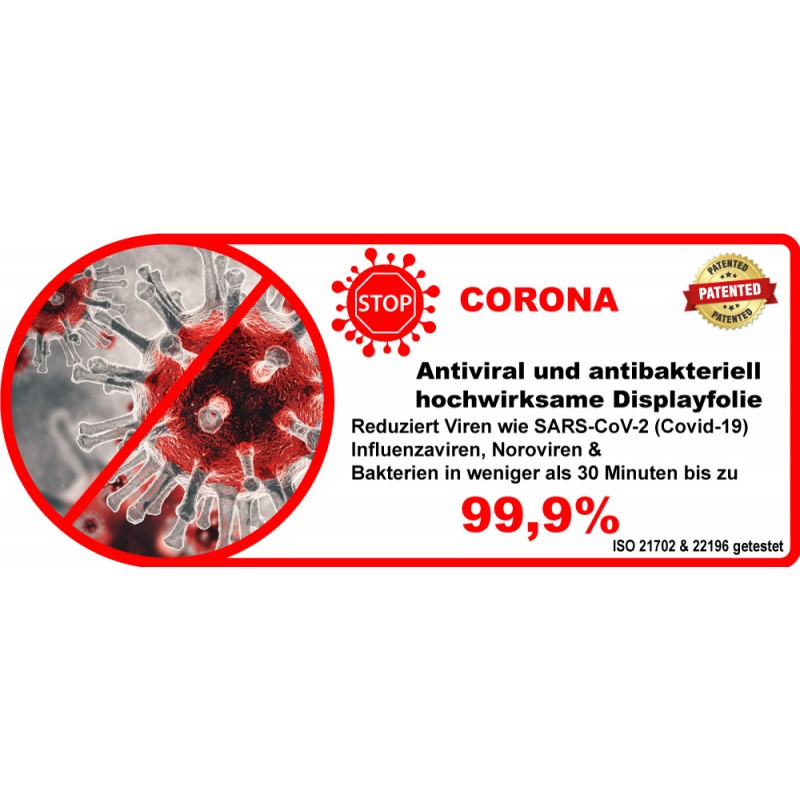
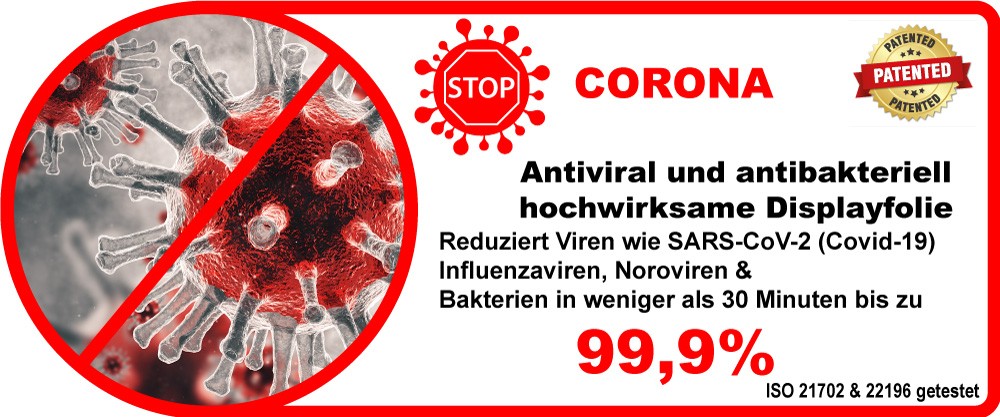
Active against SARS-CoV-2 viruses, noroviruses, influenza viruses, adenoviruses, numerous nosocomial pathogens and bacteria such as Staphylococcus aureus and E.Coli - Kills 99.9% of pathogens in less than 30 minutes
Made in Bavaria
0.1 mm robust screen protector
 SSL secured connection
SSL secured
Neoxum anti viral and antibacterial effective display protection films are in accordance with DIN ISO 21702, respectively. DIN ISO 22196 tested against
Any disinfection of a surface is only good until the next person touches or contaminates that same surface. And that is exactly where Neoxum's virucidal or antimicrobial permanent protective film comes into play: The effective coating kills pathogens at all times and continuously reduces the viral or bacterial load. Up to 99.9% of pathogens are destroyed within a period of minutes.
In just a few minutes, up to 99.9% of germs are destroyed on the anti-viral and antibacterial coated display film for Siemens Simatic TP700. The following figure shows that, for example, 99.9% of the SARS-CoV-2 viruses on the surface have been killed after just 15 minutes. Influenza viruses, which can cause severe influenza, are 99.9% inactivated after just 3 minutes of contact with the anti-virus film. Diarrhea pathogens such as the norovirus are 99.9% deactivated after just 5 minutes of direct contact.
Even bacteria such as Escherichia Coli, also known as coli bacteria, which causes dangerous urinary tract infections, causes sepsis and is feared as the cause of hospital infections, are reliably killed by 99.9% after 5 minutes. Staphylococcus aureus (methicillin-resistant Staphylococcus aureus = MRSA) is a dangerous hospital germ that sometimes leads to inflammation or accumulation of pus, wound infections, especially after operations, inflammation of selected organs of the human body, such as urinary tract infections, pneumonia or bloodstream infections, and even extreme sepsis (medical emergency) (source: BZgA).
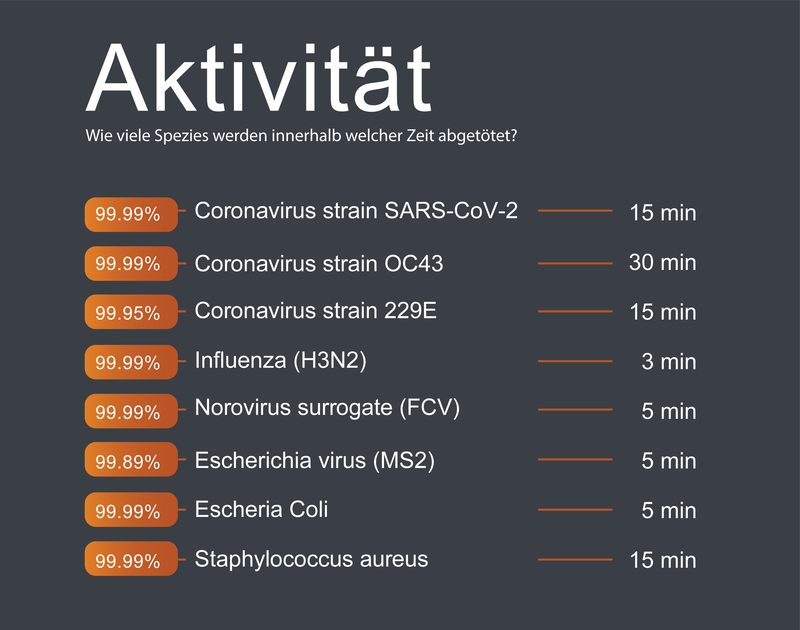
The anti-virus and disinfectant effect over a period of minutes was evaluated and validated according to DIN ISO 21702 and DIN ISO 22196 using accredited laboratories. The exact test results of the laboratory tests can be downloaded in the download area.
The RKI already defines the importance of touch-sensitive screens and computers in infection prevention in its statement of April 5, 2019:
" The use of computers and devices that are operated via touchscreen is everyday life in healthcare facilities, including in patient-related environments. Since keyboards and touchscreens represent surfaces that are often touched by hand, they represent a possible route for the transmission of pathogens [...] and should therefore be taken into account in the hygiene plan [...]. "The following illustration shows, according to a current analysis by the CSIRO (Commonwealth Scientific and Industrial Research Organisation) = Australia's government agency for scientific and industrial research) from October 2020, that the SARS-CoV-2 virus can survive for a longer period of time on various surfaces and remains transmissible.
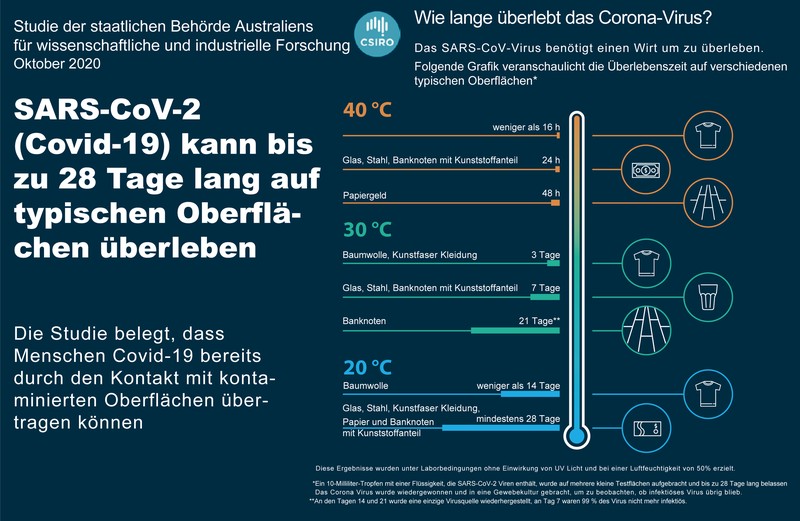
Based on the antiviral and antimicrobial effect of copper, known since ancient times, a tested disinfectant coating is created that kills pathogens immediately without the use of disinfectants.
Copper ions, integrated in the extremely robust matrix, react with the generally available oxygen in the air and create active oxygen species.
If pathogens such as bacteria or viruses (Staphylococcus Aureus bacteria, a variety of nosocomial pathogens, coronaviruses, E. coli, adenoviruses, influenza viruses or noroviruses) come into direct contact with the active anti-viral and antibacterial coating of the protective film for Siemens Simatic TP700, a so-called reduction-oxidation reaction is triggered. Oxygen molecules from the air interact with the Cu ions embedded in the anti-viral and antibacterial effective layer and develop extraordinarily bactericidal active intermediate molecular species that attack and inactivate the protein shell of viruses and bacterial proteins with enormous effectiveness. The exposed virus mRNA (RNA) or bacterial RNA is also exposed and immediately destroyed. A large number of resistant pathogens, E. coli, Staphylococcus aureus bacteria, SARS-CoV-2 , noroviruses, adenoviruses and influenza viruses are effectively killed and are no longer infectious.

The reactive copper ions change their so-called oxidation states between Cu(I) and Cu(II) in the virus-killing mode of action. The active Cu ions are not used up, but are available again for ongoing surface disinfection. The surface disinfectant effect is actively virucidal for up to a year.
If an infected person sneezes into their hand, the virulent pathogens stick to the palm of the hand. If the sick person shakes hands with another person, the germs will be transported further. If this person then brings the dirty hands to their mouth, nose or eyes, the entry points for germs, this person could become infected with the virus or bacteria.
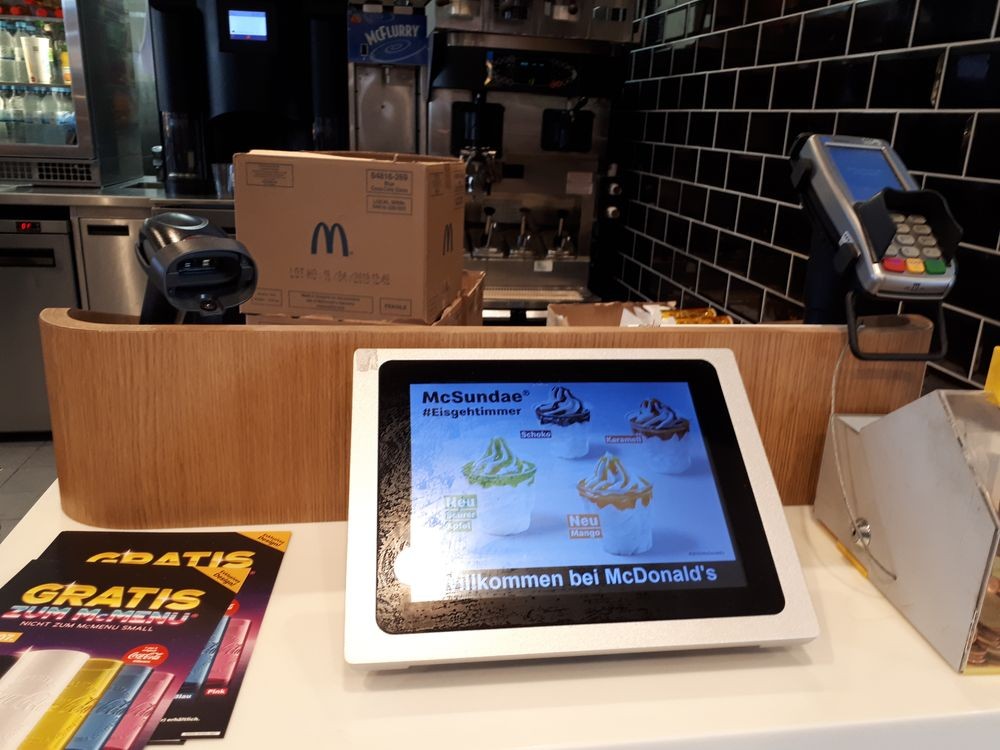
Pathogens can even stick to objects. Medical facilities such as hospitals, nursing homes and retirement homes are not the only ones facing the increased risk of norovirus infection. Pathogens can also persist on monitors of cash register systems, snack machines, smartphones, mobile payment systems, iPads, TVs and POS kiosks.
Viruses and bacteria are passed on via the hands. We certainly touch our faces with our hands several times a day. This means that pathogens inadvertently migrate from the contaminated surface of the Siemens Simatic TP700 via the hands to the mouth, nose and eyes. Germs such as corona viruses are transmitted in this way.
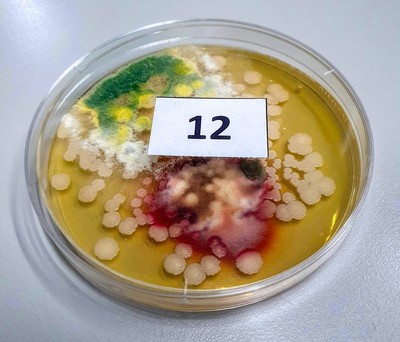
This transmission route plays an essential role, particularly in diarrheal diseases. During contact infection, tiny traces of infectious stool residues migrate via the hands to the mouth. This route of infection is also called fecal-oral. In the course of this, pathogens such as noroviruses or rotaviruses in particular migrate into the organism. But influenza viruses (trigger severe influenza) and SARS-CoV-2 viruses are also transmitted via the hand-mouth route. In particular, mouth and nose coverings, masks or FFP2 masks are a breeding ground for germs because they are rarely washed regularly to remove germs. People touch the mask many times a day and then touch the monitor again. After just 5 days in a Petri dish with agar agar, it becomes clear how unhygienic a mask that is rarely used is.
Data sheet
Specific References
Hello,
We are happy to offer you a sample.
You can easily purchase it through our online shop.
Sample for OnScreen Hybrid Glass
Sample for Neoxum Screen Protectors
Schreiben Sie uns einfach eine Nachricht und wir produzieren eine passende Displayfolie in klar oder Antireflex, ein passgenaues Hybridglas oder eine antibakterielle und anti virale Schutzfolie für Sie. Ohne Mehrkosten!
Im B2B Bereich ist für Geschäftskunden und Industriekunden Kauf auf Rechnung nach wie vor das bevorzuge Zahlungsmittel.
Ebenso bieten wir für Behörden und Öffentlichen Einrichtungen, Verwaltungen in Städten und Gemeinden, Schulen, Tagesstätten, Alten- und Pflegeheimen Kauf auf Rechnung an.
Bitte melden Sie sich kurz bei uns, und füllen das Formular zur Aktivierung Bezahlung per Rechnung aus.

Virucidal protection for Siemens Simatic TP700
Tested virucidal and antibacterial effectiveness according to DIN ISO 21702 , or DIN ISO 22196
Kills corona viruses
Particularly good chemical resistance
Aseptically decontaminates itself without interruption
Interrupts the infection with corona viruses
Kills bacteria and is antiviral
User-friendly assembly through adhesion
Produced in accordance with DIN ISO 9001
Active against SARS-CoV-2 viruses, noroviruses, influenza viruses, adenoviruses, numerous nosocomial pathogens and bacteria such as Staphylococcus aureus and E.Coli - Kills 99.9% of pathogens in less than 30 minutes
Made in Bavaria
0.1 mm robust screen protector